Science Education

Hands-on.
Place-based.
AI-ready.

I help science teachers and curriculum leaders design learning that gets students outside, thinking hard, and working with real research, and I help schools bring AI into classrooms responsibly.

Ed.D., Educational Leadership · 18 years in K-16 science · Two peer-reviewed articles, three under review · MagicSchool AI Pioneer · Michigan Place-Based Education Fellow · Bimini Shark Lab Teacher Fellow

Book a conversation Follow on LinkedIn
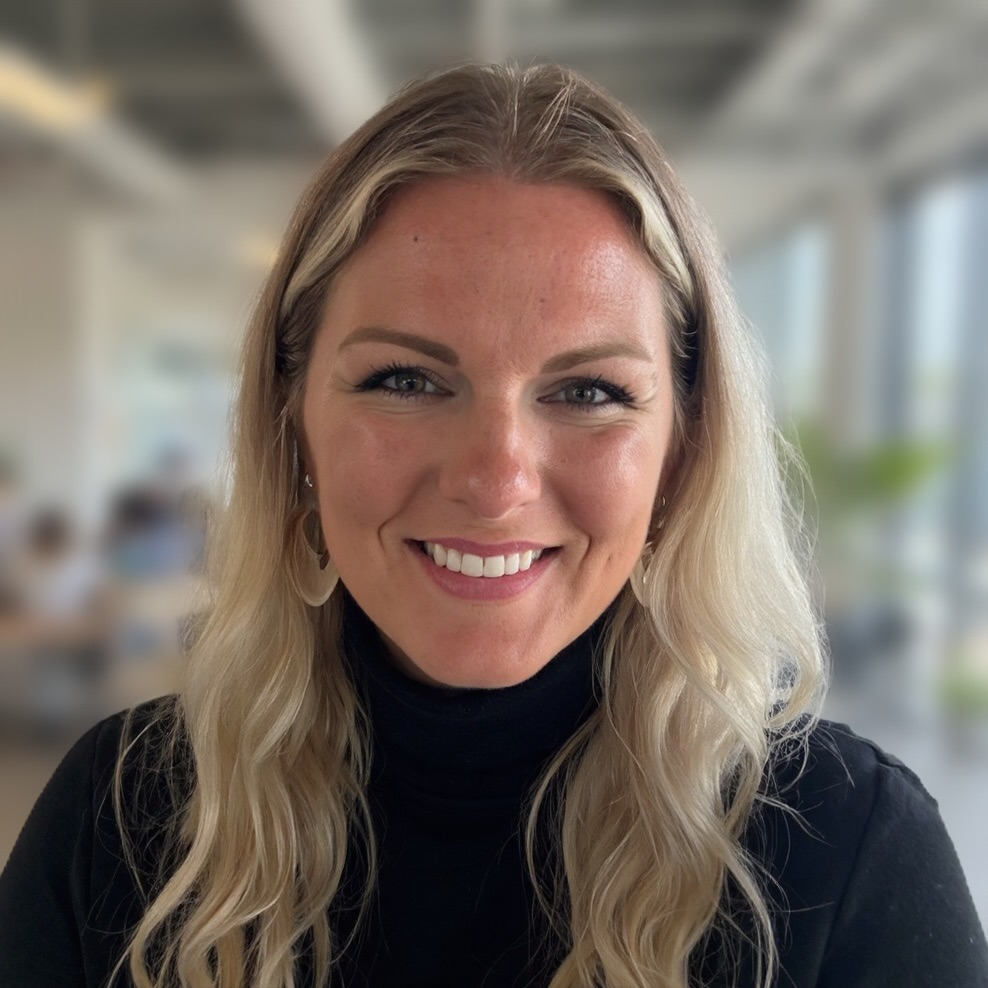
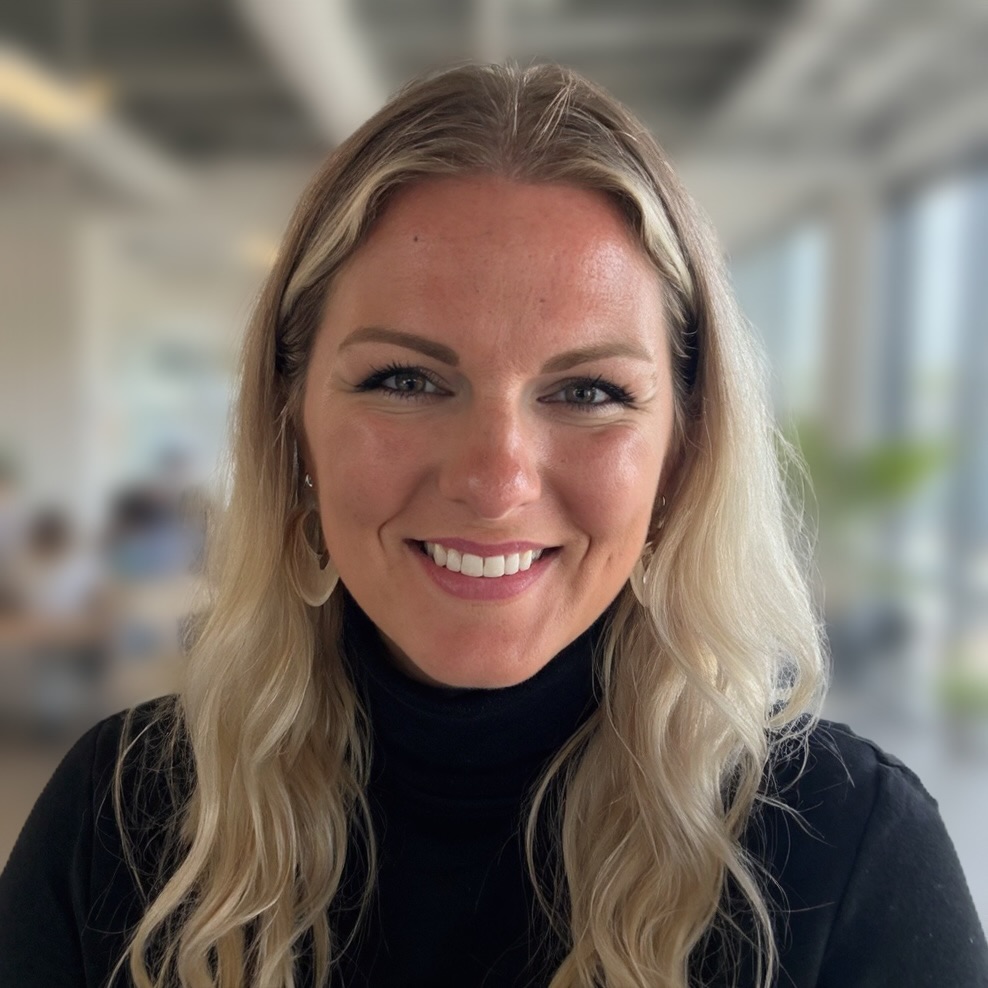
Dr. Ashley Booker
What I work on

Six threads, one classroom

AI in science classrooms

Practical, evidence-backed AI use that buys back teacher time without touching student judgment. I helped lead a building-wide rollout that started with a teacher-led mini AI conference, and I serve on my district's AI Collective Committee.

Place-based & outdoor science

The Great Lakes hold the largest supply of fresh water on Earth. My students learn their watershed as rigorously as any lab, from schoolyard transects to the Three Creeks, One Community water quality project.

Curriculum that works

NGSS storylines, the 5E model, one learning target per lesson. I rebuilt an entire biology course into nine phenomenon-anchored units and led an eighth-grade team through a full project-based redesign.

Real science, real scientists

My students track live sharks through OCEARCH and work with Bimini Biological Field Station curriculum. I've stood on the research side too, publishing on coral disease education in NSTA's The Science Teacher.

Elementary science matters

My doctoral research found that states holding schools accountable for elementary science saw students outperform in science, reading, and math, with the advantage lasting into high school.

Screens as doorways

Technology designed to point attention outward. Used well, the phone in a student's pocket is the reason they're kneeling by the creek, not the reason they never see it.

About

Practitioner first, researcher always

I teach Biology at Clarkston Community Schools in Michigan, five sections and about 140 students, lead professional learning for practicing educators, and facilitate our district's Building Thinking Classrooms PLC. I have also prepared future science teachers as a Lecturer of Science Methods at the University of Michigan-Flint. Everything I hand to adults gets tested on actual teenagers first.

My path ran through marine science: coral research at the Florida Museum of Natural History, curriculum writing for the Khaled bin Sultan Living Ocean Foundation, NOAA's Phytoplankton Monitoring Network, and most recently a Teacher Fellowship at the Bimini Biological Field Station's shark lab. That research background is why my classrooms run on real data and real questions, and why I can help other teachers build the same bridges without a marine biology budget.

I hold an Ed.D. in Educational Leadership from the University of Michigan-Flint, plus an Ed.S., a graduate certificate in Environmental Education, and an M.A. in Science Education from the University of Florida.

Content Advisory Committee, Grade 8 Science M-STEP, Michigan Dept. of Education
Teacher Fellow, Bimini Biological Field Station Foundation (Shark Lab)
Michigan Place-Based Education Fellow, 2025-26 Cohort
MagicSchool AI Pioneer · District AI Collective Committee
Curriculum Consultant (as needed), Center for Great Lakes Literacy · Michigan Sea Grant
Published in Journal of College Science Teaching and NSTA's The Science Teacher
The work

Three rooms, one approach

The classroom

Eighth-grade science and freshman Biology, rebuilt as nine phenomenon-anchored storyline units. All nine are built; none are finished, because they're adjusted daily to the students in front of me. AI handles the paperwork (5-10 hours a week of it); I do the teaching.

The field

A summer in the water at the Bimini Biological Field Station as a Teacher Fellow, alongside shark scientists and research interns. It is becoming Sharks as Indicator Species, a field-to-classroom Biology unit, and it is why my students track real tagged animals all year. See the portfolio.

The profession

PD that respects teachers: a two-hour educator-led mini AI conference instead of an outside expert, sustained follow-through instead of one-and-done sessions, and a Building Thinking Classrooms PLC that runs on what survived my own first period.

Real research

Students and working science, connected

Shark tracking

My students follow live tagged sharks through the free OCEARCH Shark Tracker: how far they travel, and how close they cruise past the beaches where students vacation. Paired with Bimini shark lab curriculum, it turns "maneaters" into data.

Watershed monitoring

Three Creeks, One Community: grant-funded student water quality monitoring in our own watershed, because the Great Lakes deserve the same protection instinct we teach for oceans.

From the field

Sharks as Indicator Species, a field-to-classroom Biology unit in development from my Bimini fellowship, translating field-station research training into high school curriculum.

Scholarship

Publications & presentations

Peer reviewed"From Building Bridges to Building Thinkers: Reframing Engineering in Preservice Science Education"Journal of College Science Teaching, published September 2026, open access, sole author. Read the article
Peer reviewed"Coral Diseases: Incorporating Scientific Research and Authentic Learning into the High School Science Classroom"NSTA's The Science Teacher, Featured Article, July/August 2024 (with Dr. Katherine Eaton)
Practitioner piece"Screens as Doorways: How Goosechase Bridges Tech-Native Learners and the Natural World"Goosechase Blog, March 2026. Read the post
Doctoral dissertation"Connecting Elementary NAEP Science Scores to State Accountability"University of Michigan-Flint, 2023
Under reviewThree manuscripts"Science in State Accountability Plans and Elementary Achievement: Evidence from the 2015 NAEP Science Assessment" (Assessment in Education: Principles, Policy & Practice) · "Screens as Doorways: Using Goosechase to Bridge Tech-Native Learners and the Natural World" (Journal of Connected Science Learning) · a classroom shark-tracking article for the Science & Children "Oceans for Everyone" issue

Conference presentations

2026"From Screens to Streams: Bridging the Gap Between Tech-Native Students and Place-Based Science Learning"MSTA State Conference
2025"Using Scavenger Hunts to Help Students Connect to Science All Around Them"National Place-Based Education Conference, with Dr. Katherine Eaton
2021"Health in Our Hands: Bridging Science Education and Public Health Perspectives"Community Academic Research Engagement Seminar (CARES) Series
2020"Health in Our Hands: Using 3D Formative Assessments to Inform Student Learning and Support Teachers' 3D Practices"MSTA State Conference
2013"Coral Diseases: Incorporating Science Research into the Classroom"MAMEA Regional Conference
2013"Phytoplankton Soup"NMEA National Conference and FMSEA State Conference
2012"Food in the Classroom"University of Florida Undergraduate Research Consortium

Plus $6,800+ in awarded classroom and research grants, from NASA, the Clarkston Foundation, the Great Lakes Stewardship Initiative, Project B-WET, United Way, DonorsChoose, and the Citrus County Education Foundation.
Speaking & consulting

Bring this to your school

AI in the science classroom, minus the hype

What AI actually does well for teachers, where the hard lines are, and how to roll it out building-wide with teacher-led PD that sticks.

From screens to streams

Designing place-based science where technology points attention outward: Goosechase missions, watershed data, and lessons that end in mud on someone's shoes.

Elementary science can't wait

The accountability research on what protecting K-5 science minutes does for science, reading, and math, and what schools and districts should do about it.

Workshop menu

Book a conversation
Writing

Recent thinking

The phone is not the enemy of outdoor learning

Used badly, it's a wall. Designed well, it's a doorway. When my students head outside with a Goosechase mission, the phone isn't competing with the creek; it's the reason they're kneeling next to it, photographing macroinvertebrates and arguing about water quality. The design question is never "screens or nature." It's: does this screen end at itself, or does it end in mud on someone's shoes?

Read the full piece on the Goosechase blog

My students track "maneaters"

We've spent decades villainizing one of the ocean's most important creatures, and kids absorb it early. So instead of arguing with the branding, I hand my students OCEARCH's live shark tracker and let the animals make their own case: how far they travel, and how close they cruise past the beaches where my students vacation. School science answers questions with known answers. Real science doesn't, and that difference changes everything.

Cutting elementary science hurts reading scores too

My doctoral research found that in states with accountability tied to elementary science performance, schools built dedicated science programs, and those students performed better in science, reading, and math, with the advantage holding through high school and showing up as greater STEM career interest. We protect reading and math by cutting science. The data says that trade backfires.

More every week on LinkedIn and Instagram.

Media kit

For organizers & press

Short bio (50 words)

Dr. Ashley Booker is a science educator, curriculum designer, and published researcher with 18 years across K-16 classrooms. She helps teachers design hands-on, place-based, AI-ready learning and connects students with working scientists, from live shark tracking to watershed monitoring. She holds an Ed.D. in Educational Leadership.

Medium bio (100 words)

Dr. Ashley Booker teaches Biology at Clarkston Community Schools and has prepared future teachers as a Lecturer of Science Methods at the University of Michigan-Flint. A MagicSchool AI Pioneer, Michigan Place-Based Education Fellow, and Bimini Biological Field Station Teacher Fellow, she helped lead a building-wide AI rollout and serves on the Michigan Department of Education's Grade 8 Science M-STEP Content Advisory Committee. Her peer-reviewed work in the Journal of College Science Teaching and NSTA's The Science Teacher, and her research on elementary science accountability, reflect one conviction: students learn science best by doing real science. She holds an Ed.D. from UM-Flint.

Speaking topics

AI in science classrooms and building-wide rollouts · Place-based and outdoor science · NGSS storyline and 5E curriculum design · Connecting classrooms with working research · Elementary science policy and accountability

Download headshot · drashleybooker@gmail.com

Free download

Free puzzles

Three printable large print word search puzzles from my books, built on real science vocabulary. Free when you join my list.

Get the free puzzles